Rockstar Energy
About
Energy Drink Brands
Rockstar Energy is a major energy drink brand with rock-and-roll inspired branding, acquired by PepsiCo for $3.85 billion, offering a wide range of energy products across 30+ countries.
Brand Details
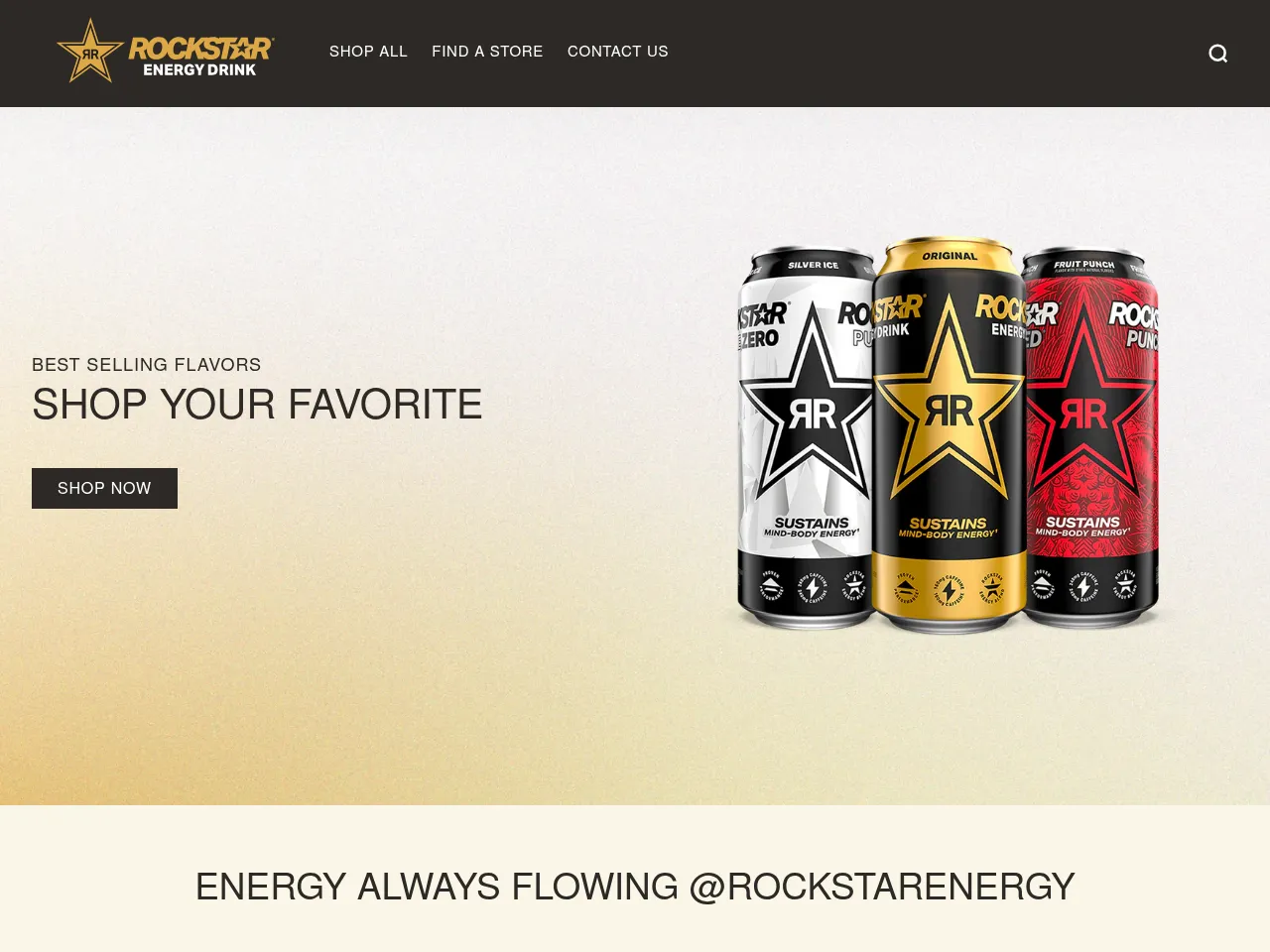
Rockstar Energy has had a turbulent brand journey, rising quickly as an early Red Bull challenger before losing ground to Monster and eventually being acquired by PepsiCo for a reported 3.85 billion dollars. The PepsiCo acquisition provides massive distribution advantages, but Rockstar has struggled to establish a distinctive identity in an increasingly crowded energy drink market. The product range is extensive -- perhaps too extensive -- with numerous sub-lines that can confuse rather than attract consumers. Flavor innovation has been adequate but rarely category-leading. The rock-and-roll, motorsports-heavy marketing feels somewhat dated compared to the lifestyle-oriented approaches of competitors like Celsius or the cultural cachet of Monster. The post-acquisition brand refresh was overdue but has yet to meaningfully shift market perception. Rockstar occupies a difficult position: too mainstream for the counter-culture crowd, too edgy for the health-conscious segment, and lacking the market dominance to compete purely on distribution. PepsiCo resources give Rockstar runway, but the brand needs sharper differentiation.
 Powered by Rexiew