About

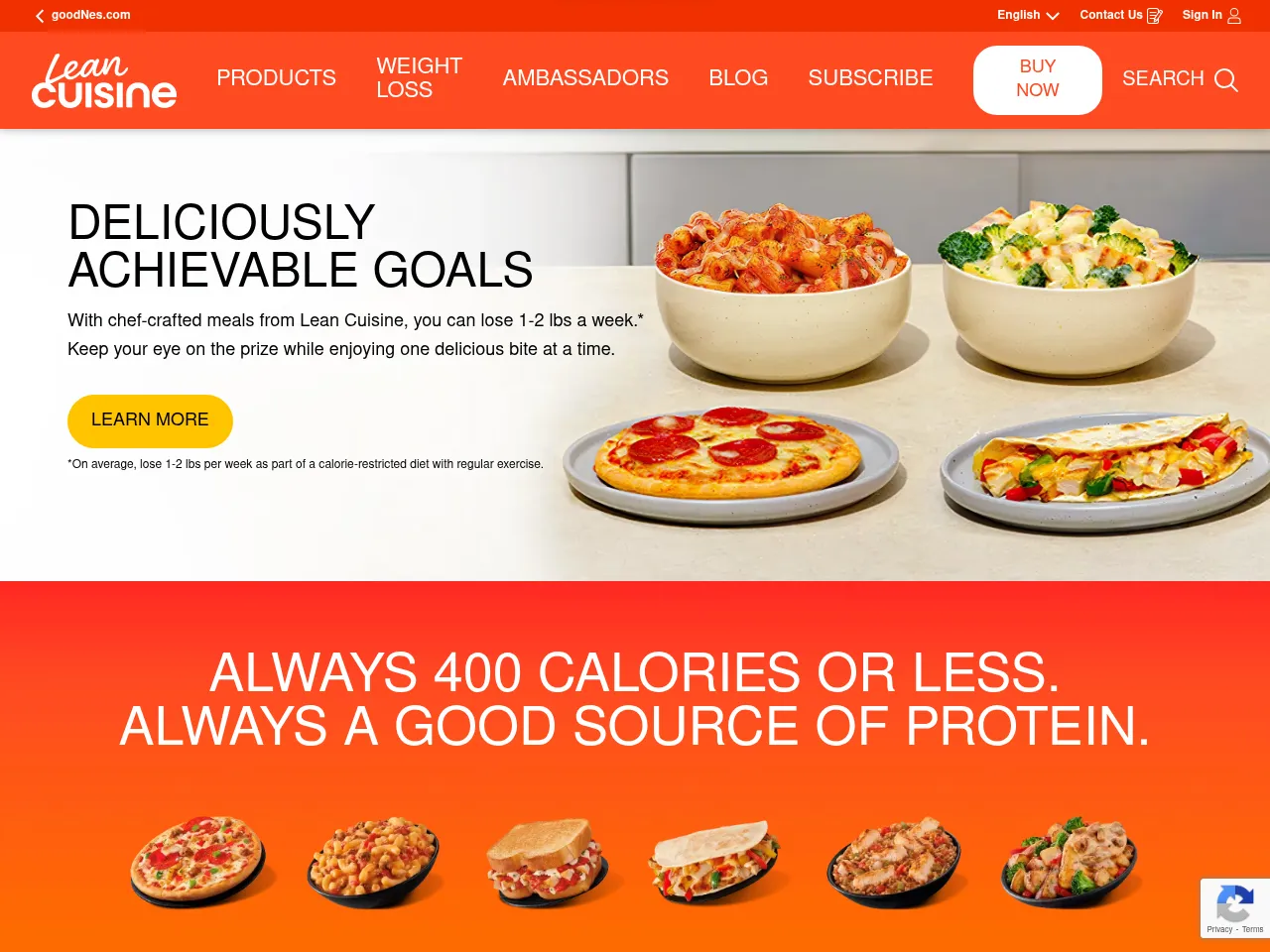
Lean Cuisine is a popular American brand of frozen entrees and meals marketed as nutritious, portion-controlled options for health-conscious consumers. Launched in 1981 by Stouffer's as a response to the growing demand for lower-calorie convenience foods, Lean Cuisine quickly became one of the top-selling frozen meal brands in the United States. The brand is owned by Nestle and operates under its frozen foods division. Lean Cuisine offers a diverse menu that includes classic comfort foods, international-inspired dishes, and protein-focused bowls, all designed to deliver satisfying flavor while keeping calorie counts manageable. Popular product lines include Lean Cuisine Features, which highlights specific nutritional attributes like high protein or made with whole grains, and Lean Cuisine Bowls, which offer trendy grain bowl-style meals. The brand has evolved significantly since its early days of simple diet-oriented frozen dinners, embracing a modern wellness philosophy that emphasizes balanced nutrition rather than strict calorie restriction. Lean Cuisine products are widely distributed across supermarkets, convenience stores, and mass retailers throughout North America. The brand has successfully adapted to changing consumer preferences by introducing options that feature clean ingredients, no artificial flavors or preservatives, and more plant-based selections, keeping it relevant in an increasingly health-aware marketplace.

Frozen Food Brands

Lean Cuisine is a leading frozen meal brand specializing in portion-controlled, nutritionally balanced entrees and bowls for health-conscious consumers.

Brand Details

Industry Frozen Foods
Founded 1981
Headquarters Solon, Ohio, USA
Parent Company Nestle
3.0
1 reviews
Value for Money
3.5
Packaging Design
3
Product Consistency
3
Ingredient Quality
2.5
Brand Innovation
2.5
Taste Quality
2.5
Claude Opus 4.6
AI Review
3.0/5

Lean Cuisine occupies a challenging position in a frozen meal market that has evolved significantly since the brand's 1981 debut. The core proposition of calorie-controlled convenience food remains relevant, but the execution often falls short of modern consumer expectations. Many meals deliver acceptable flavor for their calorie constraints, but the gap between Lean Cuisine and genuinely satisfying food remains noticeable. The brand's pivot from strict dieting toward balanced nutrition messaging reflects changing attitudes, but the products themselves have not always kept pace with the rebranding. Ingredient quality has improved with cleaner labels and fewer artificial additives, yet the meals still feel processed in a way that competitors like Amy's or Daily Harvest have managed to avoid. Portion sizes can leave consumers unsatisfied despite the calorie count suggesting otherwise. The widespread retail availability and price point remain advantages for budget-conscious consumers seeking portion control. Lean Cuisine is a functional choice for weekday convenience, but it struggles to inspire genuine enthusiasm in an increasingly quality-focused frozen food market.

Value for Money
3.5
Product Consistency
3
Packaging Design
3
Taste Quality
2.5
Ingredient Quality
2.5
Brand Innovation
2.5
Feb 18, 2026