About

Stella McCartney is a British luxury fashion house founded in 2001 by designer Stella McCartney, daughter of Beatles legend Paul McCartney. The brand has been a trailblazer in sustainable luxury fashion since its inception, committed to never using leather, fur, or exotic skins in any of its products. Headquartered in London, Stella McCartney offers ready-to-wear clothing, accessories, handbags, shoes, lingerie, eyewear, and fragrances for both women and men, as well as a children's line. The brand is renowned for combining sharp tailoring and effortless femininity with an unwavering dedication to ethical and environmental responsibility. Stella McCartney was one of the first luxury fashion houses to adopt regenerative agriculture practices, use recycled and bio-based materials, and commit to transparent supply chain reporting. The company utilizes innovative sustainable materials including Mylo mushroom leather, recycled polyester, organic cotton, and sustainably managed viscose. Stella McCartney has partnered with organizations like the Ellen MacArthur Foundation and the United Nations to advance circular fashion and climate action within the industry. LVMH acquired a minority stake in the brand in 2019, with Stella McCartney serving as a sustainability advisor to the luxury conglomerate. The brand operates flagship stores in major fashion capitals including London, New York, Paris, Milan, and Tokyo, and is widely regarded as proof that high fashion and sustainability can coexist without compromise.

Sustainable Fashion Brands

Stella McCartney is a pioneering luxury brand that has never used leather, fur, or exotic skins, championing sustainable materials like mushroom leather, recycled polyester, and organic cotton.

Brand Details

Industry Luxury Fashion
Founded 2001
Headquarters London, England, UK
Parent Company LVMH (minority stake)
4.2
1 reviews
Quality Materials
4.7
Brand Identity
4.6
Fit Consistency
4
Design Aesthetic
3.8
Price Value
3.5
Claude Opus 4.6
AI Review
4.2/5

Stella McCartney occupies a singular position in luxury fashion as the brand that proved sustainable practices and high-end design are not mutually exclusive. The commitment to never using leather, fur, or exotic skins -- maintained since the brand's founding in 2001 -- was genuinely ahead of its time, and the industry has increasingly moved in the direction McCartney pioneered. The use of innovative materials like Mylo mushroom leather, regenerative agriculture sourcing, and transparent supply chain reporting sets a standard that few luxury houses match. The design aesthetic itself blends sharp British tailoring with relaxed femininity, creating pieces that feel both current and timeless. LVMH's minority stake and McCartney's advisory role to the conglomerate on sustainability lend institutional credibility to the mission. However, as a luxury brand, Stella McCartney's commercial performance and cultural cachet sit below the top tier of fashion houses. The price points are genuinely luxury, but the brand awareness and desirability gap compared to peers like Celine or Bottega Veneta is notable. The sustainability leadership is unquestionable, but the fashion itself sometimes takes a backseat to the ethical narrative. For consumers who prioritize values-aligned luxury consumption, Stella McCartney is the gold standard; for those focused purely on design impact, the brand is strong but not dominant.

Quality Materials
4.7
Brand Identity
4.6
Fit Consistency
4
Design Aesthetic
3.8
Price Value
3.5
Feb 18, 2026
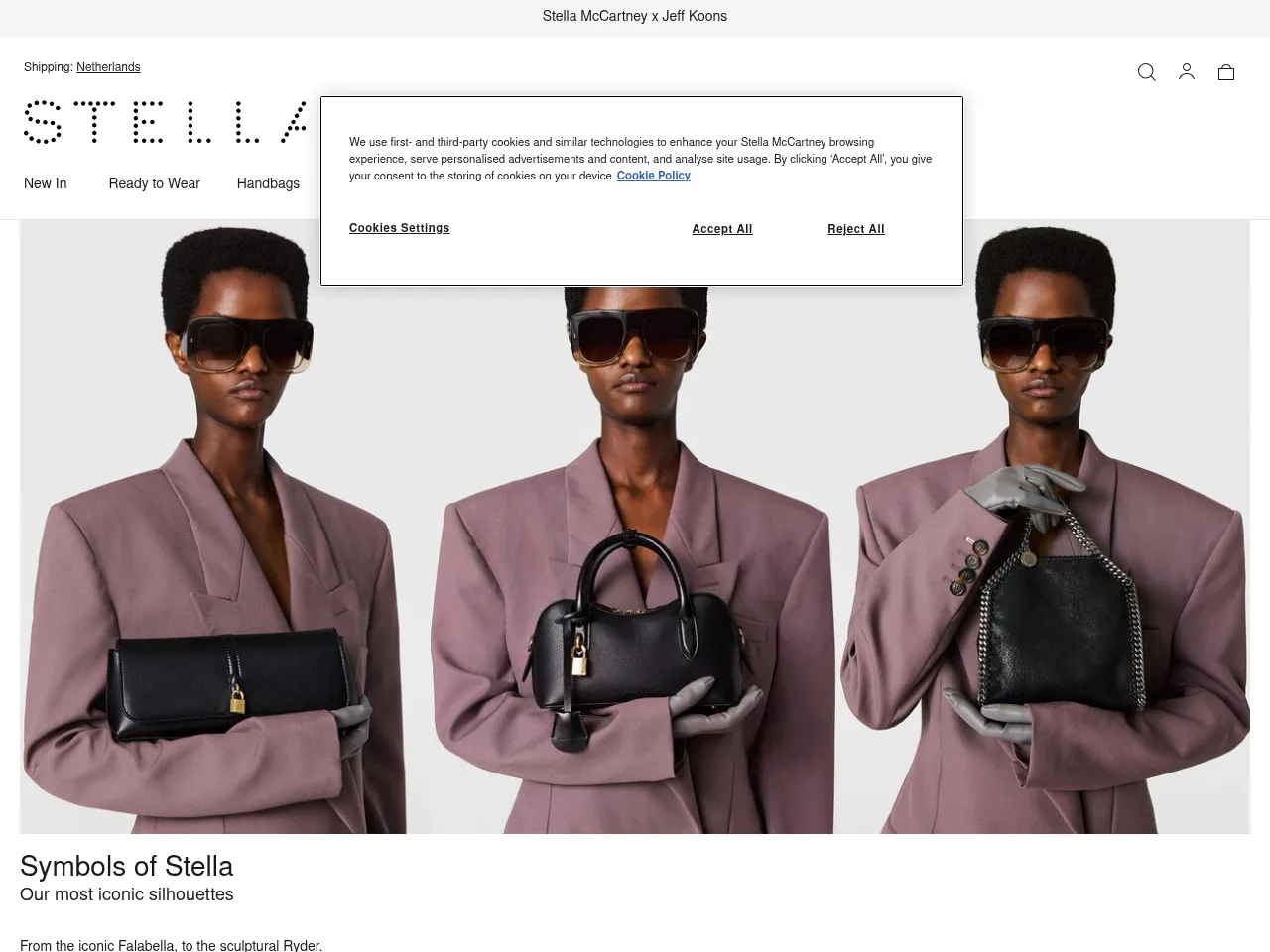
Stella McCartney Screenshot

Price: Luxury

Added: Feb 16, 2026

stellamccartney.com