MCM
About
Handbag Brands
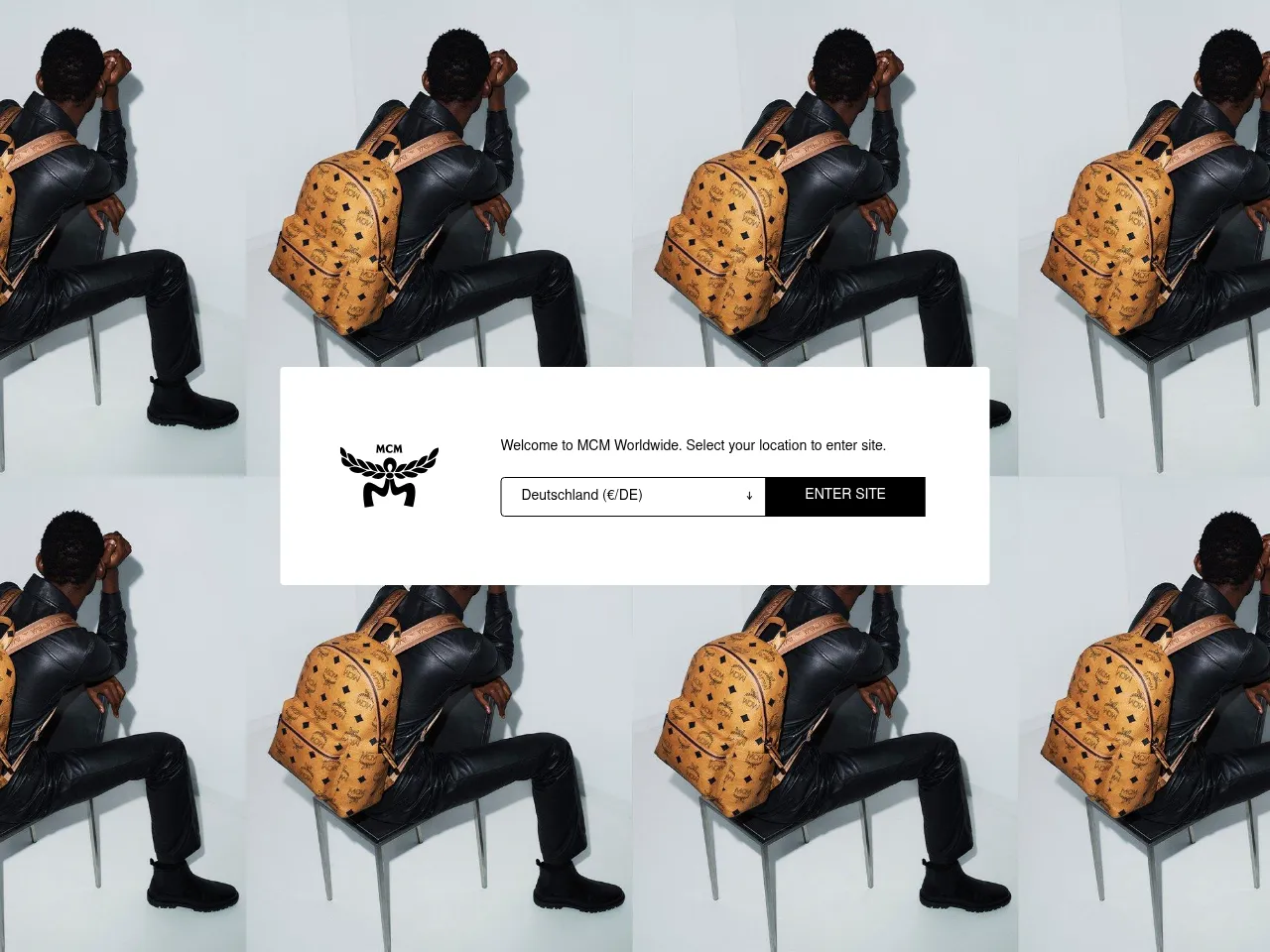
MCM is a luxury handbag brand famous for its Visetos monogram print, iconic Stark backpack, and a range of premium leather goods that merge European craftsmanship with contemporary street style.
Brand Details
MCM occupies a distinctive but contested space in luxury, straddling the line between heritage European craftsmanship and contemporary streetwear culture. The Visetos monogram is immediately recognizable, and the Stark backpack has achieved genuine icon status, particularly within hip-hop and streetwear communities. The brand's revival under Sung-Joo Kim's ownership transformed it from a fading 1980s label into a globally distributed luxury name.
However, MCM faces credibility challenges on multiple fronts. In traditional luxury circles, the brand lacks the craft heritage and cultural depth of European competitors like Louis Vuitton or Gucci. In the streetwear space, it competes with brands that feel more authentically connected to youth culture. The heavy reliance on the monogram print, while commercially effective, can make the product range feel one-dimensional.
Product quality is adequate for the price point but does not consistently deliver the material excellence that justifies luxury pricing. The brand's identity feels stretched between Munich heritage and Seoul-driven commercial strategy. MCM has built meaningful global distribution and cultural relevance, but it needs to deepen its design identity beyond the monogram to sustain long-term positioning in an increasingly competitive luxury market.
 Powered by Rexiew